
How to Remove Odor from a Chopping Board
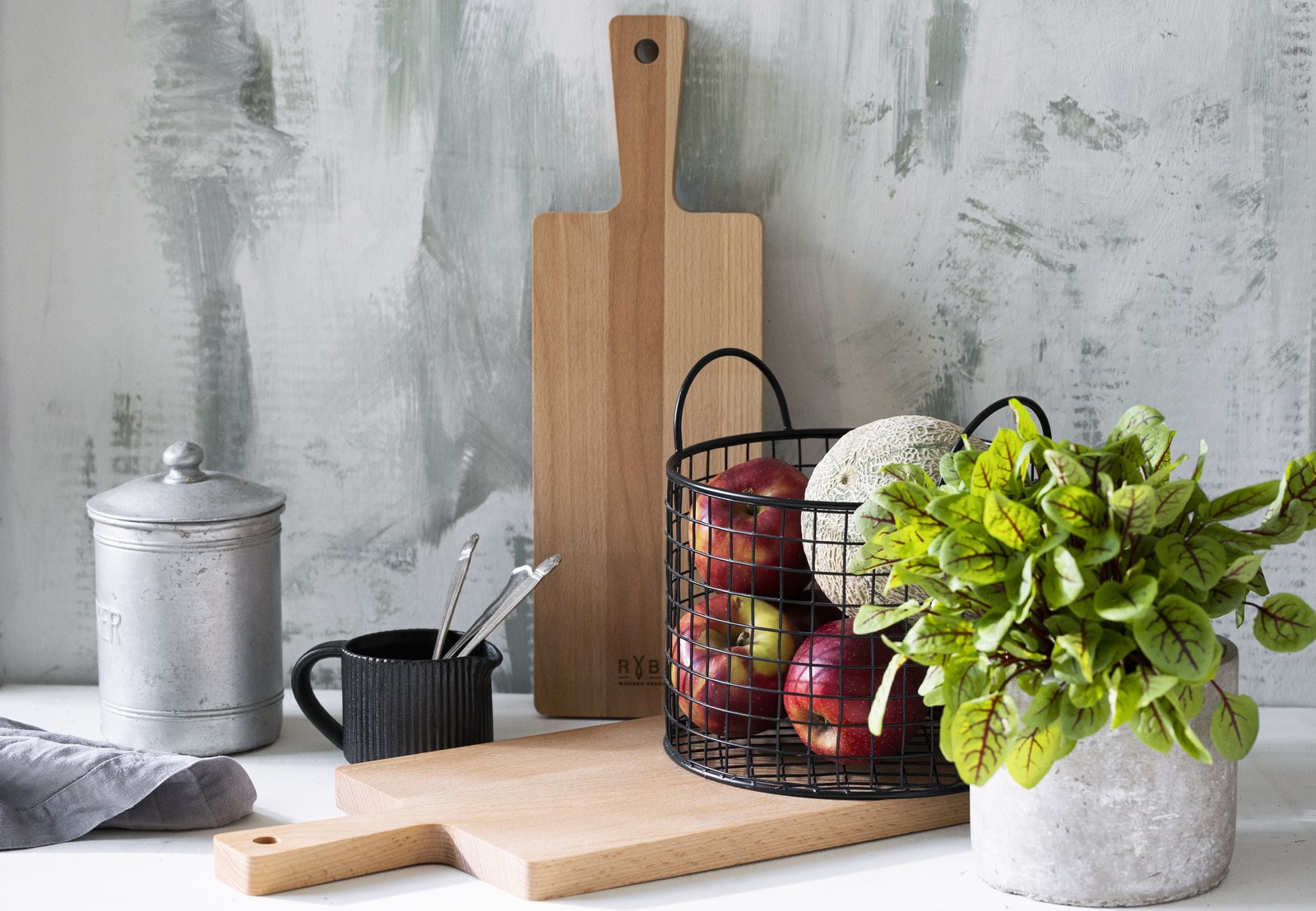
A wooden cutting board is not only beautiful, but also a highly functional element of any kitchen. Unfortunately, after cutting garlic, onions, or fish, an unwelcome problem often appears—an unpleasant smell. Fortunately, there are simple, natural ways to remove it effectively without damaging the wood’s surface.
Why do boards absorb odors?
Unlike plastic, wood is a porous material. It absorbs moisture and, along with it, aromas and food residues. That’s why regular care and proper cleaning are so important. If you use a board made from high-quality wood, e.g., a wooden cutting board, you can be sure that with proper maintenance it will serve you for years.
Salt & Lemon — a natural duo
This classic method works in no time:
Sprinkle the surface of the board with coarse salt.
Cut a lemon in half and scrub the surface with it.
Leave for a few minutes, then rinse with warm water.
Salt acts as a gentle abrasive, while lemon neutralizes odors and offers mild antibacterial properties.
Baking soda — for stubborn aromas
If the smell of garlic or fish is particularly intense, use baking soda:
Apply a thin layer of baking soda to a damp board.
Wait 15–20 minutes.
Gently scrub with a sponge, then rinse thoroughly.
Baking soda not only removes odor, it also helps lift greasy stains and organic residues.
Vinegar — a simple disinfectant
White spirit vinegar handles bacteria and unpleasant smells very well:
Dampen a cloth with vinegar and wipe the board.
After a few minutes, rinse with water and dry.
However, avoid soaking a wooden board in vinegar for too long—it may weaken the structure of the wood.
Regular care & maintenance
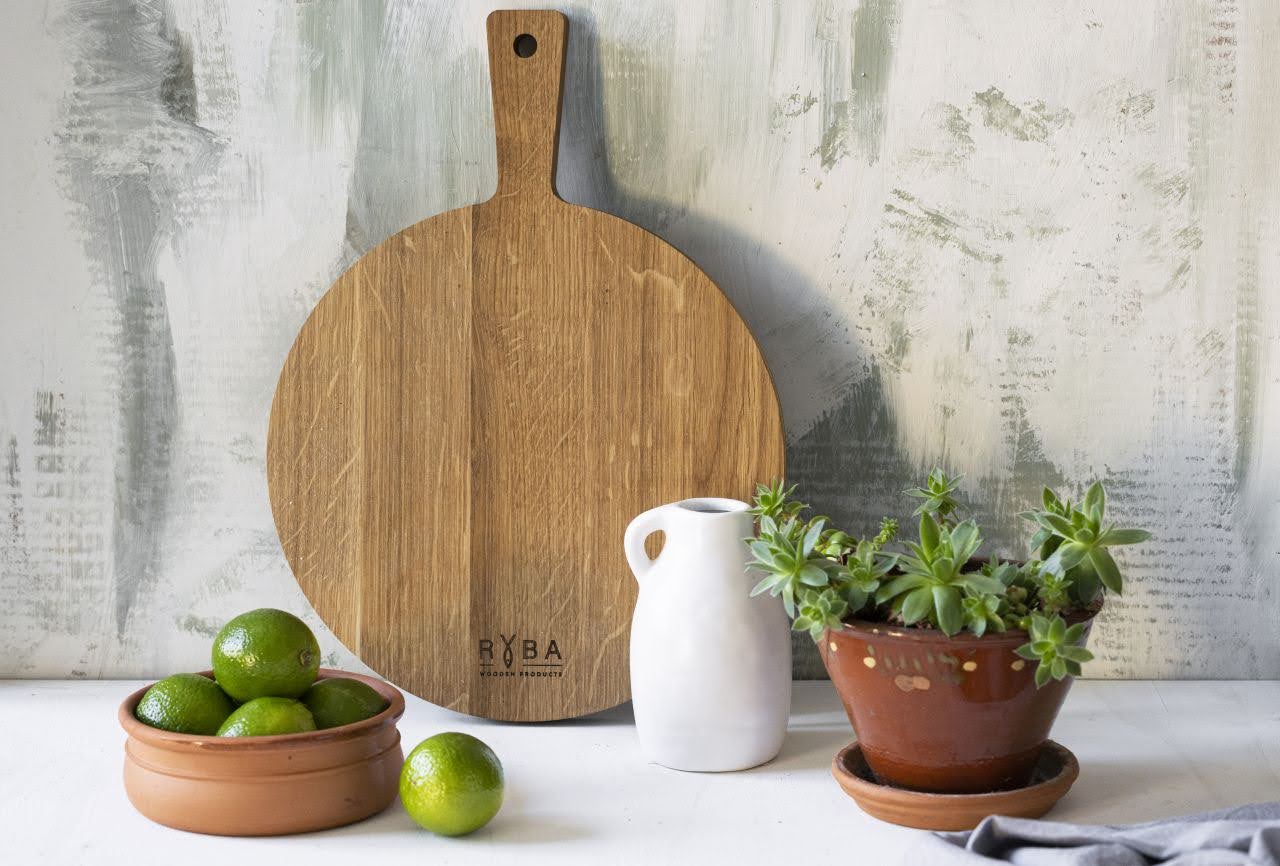
To prevent future issues, regularly condition your board with food-safe mineral oil or edible wood oil. This makes the surface less absorbent so odors don’t penetrate as easily.
It’s also wise to keep several boards for different uses, e.g., breakfast boards for bread or cheese, and bread-cutting boards reserved only for baked goods. This way you avoid mixing aromas.
Dark wood & odors
If you value elegance in the kitchen, consider choosing dark-wood boards. Besides their aesthetic appeal, such boards often mask signs of use better and are less prone to discoloration from garlic or beets.
Summary
Removing odors from a cutting board doesn’t require chemicals or special detergents—simple, natural remedies you already have in your kitchen are enough. Regular care, oiling, and assigning different boards to different products are the keys to keeping your wooden accessories hygienic and beautiful for years.