
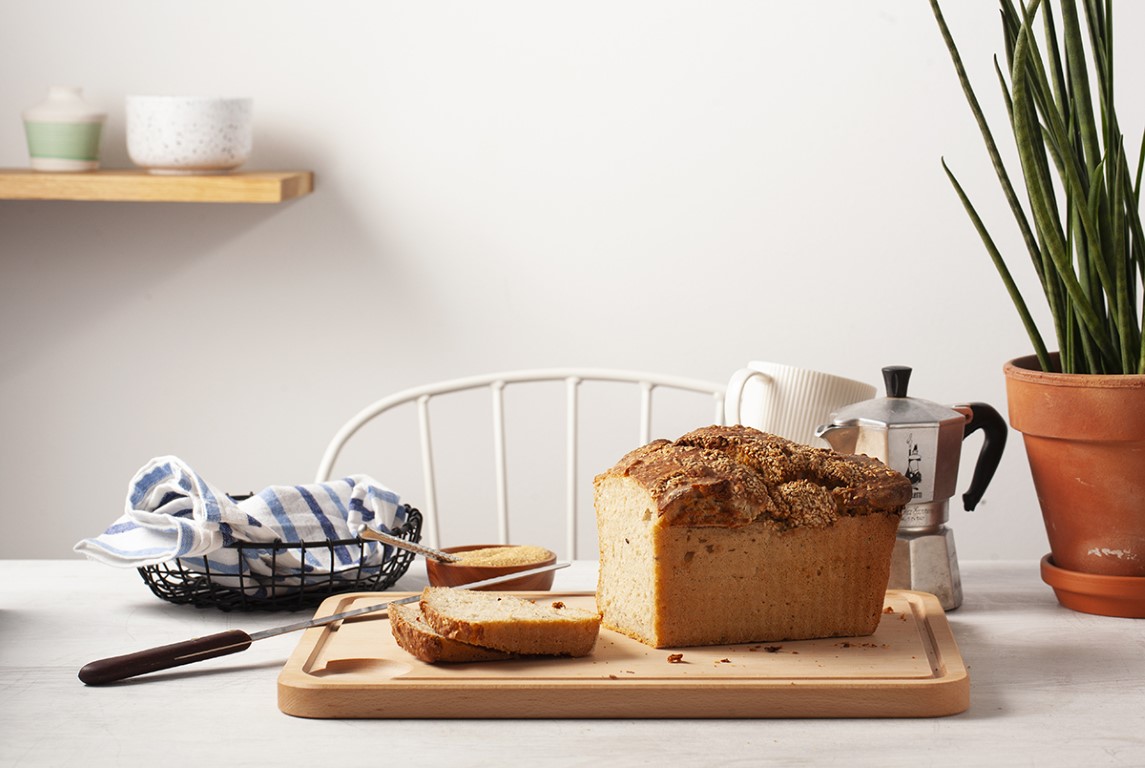
Wooden cutting boards offer many advantages—they’re durable, attractive, and gentle on knives. But they do have one drawback: they can warp. If you’re wondering why your wooden cutting board has bowed, the answer is simple: moisture and improper storage.
Why does a board warp?
Wood is hygroscopic—it absorbs and releases moisture. If one side of the board dries more quickly than the other (for example, when it lies flat on the countertop so only the top is exposed to air), the wood will begin to shrink unevenly. As a result, the board will warp—usually with the center curving upward.
How to fix a warped cutting board
You’ll find many ineffective or even harmful “hacks” online, such as:
-
Ironing through a damp towel
-
Steaming over boiling water
-
Soaking the board and then weighting it down
-
Leaving it in direct sunlight
-
Sending it off to a carpenter
The best way to straighten a wooden cutting board is simply to turn it over—convex side up—and wait. No risk to the material, no needless experiments.
Why this works
When you flip the board, the previously damper side is now exposed, allowing its moisture level to equalize with the other side. Once the humidity balances out, the wood will gradually return to its original shape. Depending on the board’s thickness and the degree of warp, this can take anywhere from a few days to a few weeks.
How to prevent future warping
To avoid having your wooden cutting board bow in the first place, remember these simple rules:
-
Dry both sides thoroughly after each use.
-
Don’t leave a wet board lying flat on the counter or propped against a wall.
-
Oil it regularly (with mineral oil or a specially formulated wood oil).
-
Store it so that air can circulate—either flat or upright, with both faces exposed.
Summary
A wooden cutting board warps when one side dries out faster than the other. The easiest way to restore its shape is to flip it so the convex side is up and let both surfaces dry evenly. To prevent warping, always dry your board on both sides after washing, oil it routinely, and store it where air can flow freely.